What Makes Floors Cold in Winter?
Cold floors in winter are almost never a flooring problem. In a Georgia house on a vented crawl space, they are usually the floor telling you what the air underneath it is doing.
The space beneath sits at outdoor temperature, and between that cold air and your feet there is subfloor and whatever insulation is left.
A home pulls air upward as heat rises, and the crawl space is where much of that air starts. The floor feels chilly because it is the boundary.
Why the Crawl Space Sets the Floor Temperature
Northeast Georgia homes sit on open vented crawl spaces, not basements. The northern advice about insulating basement walls does not transfer here.
October changes the balance. The ground still holds late summer moisture, the outside air turns colder, and the floor is the boundary between the two.
Warm air rises out of the living space and cold air is drawn in beneath it. Cold floors above a crawl space are the result.
A space that cannot retain heat will not keep the floor above it warmer. A ground barrier is where that changes.
The Questions Georgia Homeowners Ask About Cold Floors
Is Insulation Under the Floor Enough to Fix Cold Floors?
On its own, usually not. Insulation between the joists slows heat loss but does nothing about the air moving through the space. An insulated floor over a wet vented crawl space is still a cold floor.
What Do Open Foundation Vents Do in Winter?
They hold the crawl space at outdoor temperature, which is exactly what you do not want under a heated floor. Closing the vents alone is not a fix. It traps moisture inside, and the drafts around the rim remain.
Why Does Fiberglass Insulation Fall Down or Get Damp?
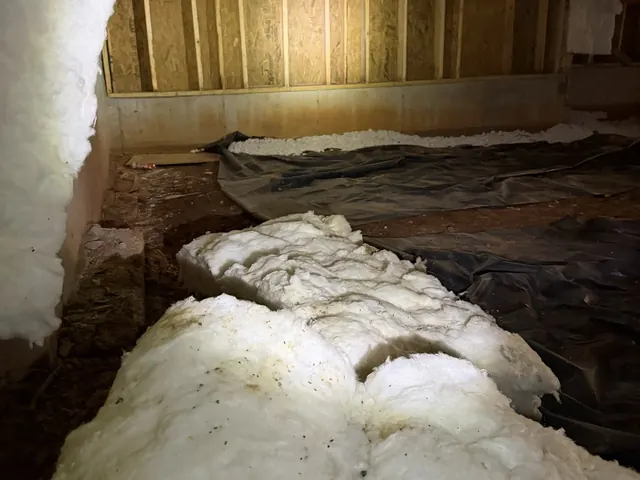
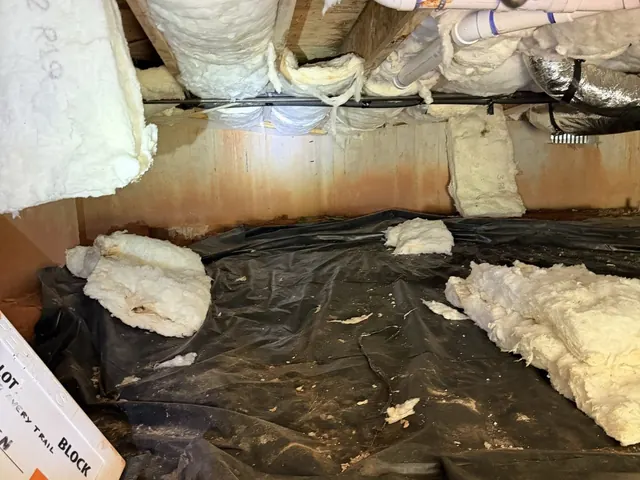
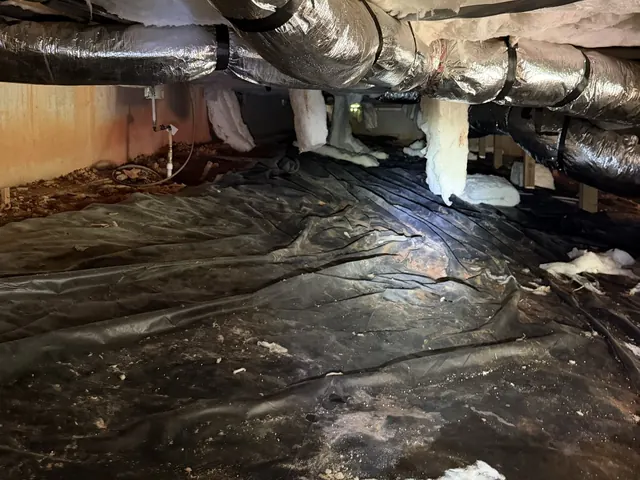
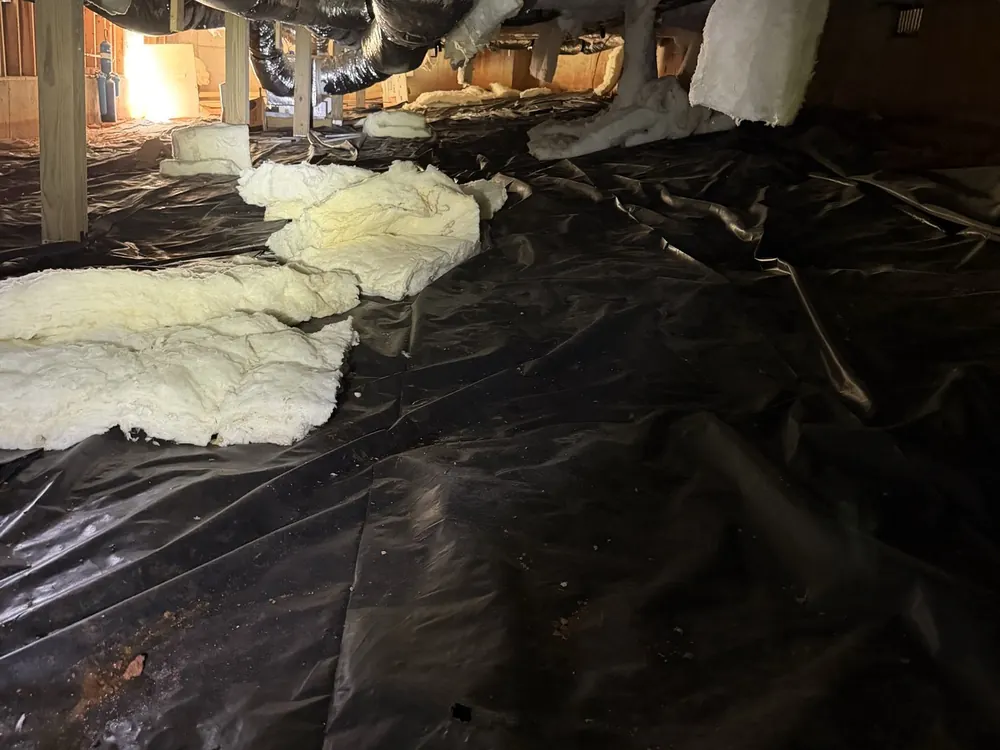
Because it was installed in a space that stays humid. Fiberglass batts take on moisture, gain weight, and pull away from the subfloor. That is the common condition under most houses in this area, and insulating a wet space is work you do twice.
Do Cold Floors Mean There Is a Moisture Problem?
Often yes, and it is worth looking before you spend on insulation. Damp insulation, standing water, and a bare dirt floor show up in the same houses that report cold floors. Leaks from plumbing get repaired by a plumber first.
Will Sealing the Crawl Space Make the Floors Warmer?
Yes, when it is done in the right order. Fix the water, seal the ground and the walls, close the vents, then insulate. The rim joist is the detail most often missed, and spray foam is one approach there. Out of order is how the HVAC system ends up carrying the house.
Want to know which of those is under your house? Book a free inspection.
Getting a Straight Answer About Your Own Crawl Space
The answer starts with what is under the house, not with a product.
The free crawl space inspection is how you find out. Someone goes under, looks, and reports what is there. We serve Athens, Madison, Monroe and Watkinsville.
Book a free inspection and we can help you sort out the best order to make the home comfortable.
FAQs About Cold Floors and Crawl Spaces
Q: Do cold floors always mean the insulation is gone?
A: No. Air movement through a vented crawl space produces cold floors even where the insulation is still up.
Q: Should I just put down rugs and run the heat higher?
A: That covers it up. The moisture and the winter air under the home keep doing what they were doing.
Get a Free Crawl Space Inspection Before the Cold Sets In
Cold floors are fixable, and the fix starts under the home. Book the free crawl space inspection, and we can help you get warm floors before winter settles in.